




















iOS 26 Now Fully Compatible with Diagnostic Batteries & Displays
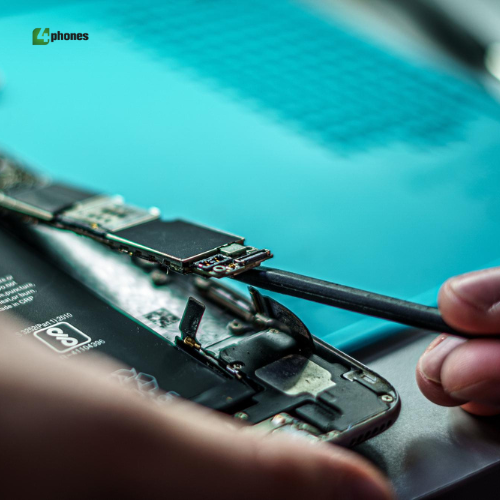
iOS 26 Brings Major Relief for Repair Shops: Full Compatibility Restored Apple’s official release of iOS 26 earlier this week has brought long-awaited stability to the repair community. One of the most important updates is full compatibility with diagnostic batteries and displays — both new and old — resolving long-standing issues faced by repair professionals worldwide. What Was the Issue? Before iOS 26 Beta 5, many repair shops encountered persistent problems when installing diagnostic parts. The most common challenges included: Batteries that were not upgraded to the latest software Displays showing errors or triggering warnings Pairing issues after repairs These issues often caused diagnostic parts to malfunction or triggered “unknown part” pop-ups due to version mismatches between the device and the installed component. What Has Changed in iOS 26? The newly released official version of iOS 26 completely resolves these compatibility issues. From now on, repair shops can expect a smoother workflow and improved reliability: Diagnostic batteries can now be installed without triggering “unknown part” messages — even if they haven’t been updated. Diagnostic displays work flawlessly, without error messages or pop-ups, even if they were previously paired on older iOS versions. No need to upgrade old stock — existing inventory and customer-held parts are now ready to use without modification. What This Means for Repair Shops The benefits for repair professionals are immediate and substantial: Zero workflow interruptions during repairs No more reprogramming or upgrading of older diagnostic parts Confident installations with pop-up-free operation In short, iOS 26 makes iPhone repairs faster, smoother, and more reliable than ever before. Why Did Apple Jump from iOS 18 to iOS 26? Many users were surprised to see Apple leap directly from iOS 18 to iOS 26 — but there’s a logical reason behind the change. Apple has decided to align its operating system numbers with a year-based naming system. Year-Based Naming for Better Consistency Similar to how car manufacturers label models for the next year (for example, a 2026 model released in 2025), Apple’s new system aligns all platforms — iPadOS 26, watchOS 26, and macOS 15 (internally version 26) — for easier ecosystem management and clarity across devices. A Cosmetic Change with Functional Benefits While the numerical jump from iOS 18 to iOS 26 may appear dramatic, it’s largely a cosmetic update designed to simplify version control and align Apple’s internal architecture. The real advantage lies in improved efficiency, system stability, and repair reliability. A Win for the Repair Community The release of Apple iOS 26 marks a major milestone for the repair industry. With full compatibility restored for diagnostic batteries and displays, repair shops can now operate confidently without software barriers or pop-up interruptions. It’s the perfect moment for technicians to restock on diagnostic parts, streamline their workflows, and deliver seamless, professional repairs to their customers.